
How to Find Listening Devices in Your Home
Many people begin searching online after wondering “someone put a listening device in my house” or “how do I know if my house is bugged.” Hidden microphones and audio surveillance devices are widely available and can be extremely small, making them difficult to detect without specialized equipment.
Listening devices are designed to capture conversations inside homes, offices, or vehicles. Some transmit audio remotely through wireless signals, while others record conversations internally for later retrieval.
Understanding how listening devices are hidden and how they are detected can help you recognize potential surveillance threats and determine when professional bug sweep services may be necessary.
How Do You Find Listening Devices in Your Home?
Listening devices can sometimes be detected by carefully inspecting electronics and objects that appear unusual or out of place.
Common steps people take when searching “how to find listening devices in my house” include:
checking unfamiliar electronic devices
inspecting power adapters and chargers
looking for objects with small holes that may contain microphones
examining devices located near seating or conversation areas
Because many listening devices are extremely small and intentionally hidden, professional electronic surveillance detection inspections are often required to locate them reliably.
What Is a Listening Device?
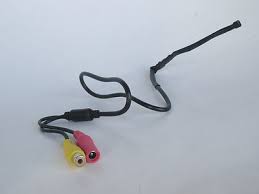
A listening device—often called an audio bug—is a small electronic microphone used to secretly capture conversations.
Listening devices may operate in several ways:
Radio transmitters that broadcast audio to a nearby receiver
Wi-Fi or cellular devices that transmit conversations remotely
Digital recorders that store audio for later retrieval
Modern surveillance equipment can be hidden inside everyday objects and placed in areas where conversations commonly occur.
Common Places Listening Devices Are Hidden
People searching “how to detect listening devices in my house” are often surprised by how easily microphones can be concealed.
Listening devices are typically hidden in objects already found inside a room.
Smoke Detectors
Smoke detectors are often mounted on ceilings and provide a central location for monitoring a room. In some cases, hidden microphones can be concealed inside fake or modified smoke detectors.
Wall Outlets and Power Adapters
Some listening devices are hidden inside:
wall outlets
USB chargers
power strips
electrical adapters
Because these objects already contain wiring and electronics, they can conceal microphones effectively.
Desk Items and Office Equipment
Offices and home workspaces are common locations for surveillance devices.
Listening devices may be hidden in:
desk lamps
computer speakers
phone chargers
decorative items
These locations allow microphones to capture conversations during meetings or phone calls.
Air Vents and Ceiling Fixtures
Air vents, light fixtures, and ceiling components can sometimes conceal surveillance equipment while providing a wide listening area for microphones.
Signs Someone May Have Planted a Listening Device
While none of these signs alone confirm surveillance, several indicators may suggest that a home could contain hidden microphones.
Possible warning signs include:
someone knowing details from private conversations
unfamiliar electronic devices appearing in rooms
objects positioned unusually near conversation areas
electronics that appear recently installed or out of place
These situations often lead people to search “someone put a listening device in my house” or “how do I sweep my house for bugs.”
Why Listening Devices Are Difficult to Detect
Many listening devices are designed specifically to avoid detection.
Some surveillance equipment:
transmits only briefly to avoid detection
records audio internally without transmitting signals
uses extremely small microphones concealed in electronics
Because of this, consumer bug detectors may not always locate hidden microphones.
Professional Technical Surveillance Countermeasures (TSCM) inspections use specialized equipment designed to detect electronic surveillance devices that may otherwise remain hidden.
How Professional Bug Sweeps Detect Listening Devices
Professional bug sweep inspections use a combination of electronic detection equipment and physical inspection techniques.
Professional electronic surveillance detection services may include:
radio frequency spectrum analysis
inspection of electronics and wiring
detection of hidden transmitters
examination of objects commonly used to conceal microphones
Because surveillance devices can be intentionally hidden inside electronics or structural components, professional inspections often combine multiple detection methods.
“Hidden listening devices are often concealed inside everyday electronics such as power adapters, smoke detectors, or desk equipment. Because these devices are designed to blend into normal environments, professional electronic surveillance detection inspections are often required to locate them.”
Jimmie Mesis - USA Bugsweeps Founder Tweet
When to Consider a Professional Listening Device Detection Service
You may want to consider a professional inspection if:
someone appears to know private conversations from your home
you discover unfamiliar electronics in rooms
you suspect surveillance related to disputes or harassment
you want confirmation that your home is free of listening devices
A professional bug sweep inspection can help identify hidden microphones and other electronic surveillance equipment.
Electronic Surveillance Detection Services
USA BugSweeps provides professional electronic surveillance detection services designed to locate hidden microphones, covert cameras, and other surveillance devices in homes, offices, and vehicles.
Professional bug sweep inspections use specialized equipment to detect surveillance devices intentionally concealed inside electronics or structural areas.
If you are concerned that someone may be secretly recording conversations inside your home, a confidential consultation can help determine whether a professional inspection is appropriate.