
Where Hidden Cameras Are Usually Found
Hidden cameras are becoming easier to purchase and smaller than ever before. As a result, many people search online for answers to questions like “how to find hidden cameras in my house,” “where are hidden cameras usually placed,” or “how to check for spy cameras.”
Modern surveillance devices can be concealed inside everyday objects and placed in locations where people expect privacy. In many situations, hidden cameras are used to secretly record video or stream footage remotely through Wi-Fi or cellular networks.
Understanding where hidden cameras are commonly placed is an important first step in identifying potential surveillance threats and knowing when to consider professional hidden camera detection services.
Where Are Hidden Cameras Usually Found?
Hidden cameras are most commonly found in objects that already exist in a room. These devices are designed to blend into everyday environments so they do not attract attention.
Common hidden camera locations include:
smoke detectors
alarm clocks
USB wall chargers
power strips
air vents
wall outlets
decorative objects
Hidden cameras are typically positioned so they have a clear view of areas where people spend time, such as bedrooms, living rooms, and offices.
How Do You Find Hidden Cameras?
Hidden cameras can sometimes be identified by carefully inspecting electronics and objects that appear out of place.
Common steps people take when checking for hidden cameras include:
Looking for unfamiliar electronic devices
inspecting objects that face beds, bathrooms, or seating areas
checking smoke detectors and power adapters
examining small holes that may contain camera lenses
Because many surveillance devices are extremely small and designed to avoid detection, professional hidden camera detection inspections are often required to locate them reliably.
Why Hidden Cameras Are Difficult to Detect
Hidden cameras are designed to blend into normal environments. Many devices are built into objects that already exist in homes, offices, hotels, or rental properties.
Examples include:
smoke detectors
alarm clocks
USB chargers
wall outlets
small electronic devices
Because these cameras are often disguised as ordinary household electronics, they can be difficult to identify without careful inspection or professional hidden camera detection equipment.
Common Places Hidden Cameras Are Found in Homes
When people search “where are hidden cameras usually found,” they are often surprised by how easily cameras can be concealed inside everyday household objects.
Hidden cameras are usually placed in locations where they have a clear view of the room.
Smoke Detectors
Smoke detectors are one of the most common hiding places for hidden cameras because they are typically mounted high on ceilings and provide a wide view of a room.
In some cases, surveillance cameras are built into fake smoke detectors designed specifically for covert monitoring.
Alarm Clocks and Bedroom Electronics
Bedrooms are common targets for hidden cameras, and small devices are often concealed inside:
alarm clocks
digital clocks
charging stations
bedside electronics
Because these items normally sit on nightstands or dressers, they provide an unobstructed view of the room.
USB Chargers and Power Adapters
USB chargers are one of the most widely used disguises for hidden cameras.
These devices plug directly into wall outlets and often contain: 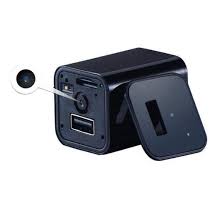
small cameras
wireless transmitters
motion-activated recording systems
Since USB chargers are extremely common in homes and hotels, they often go unnoticed.
Air Vents and Ceiling Fixtures
Air vents, ceiling fixtures, and recessed lighting can provide a hidden location for surveillance equipment.
These locations allow cameras to observe an entire room while remaining difficult to see without careful inspection.
Common Hidden Camera Locations in Hotels and Rental Properties
People often search “how to find hidden cameras in an Airbnb or hotel room” after hearing about surveillance incidents in rental properties.
Hidden cameras in these environments are commonly placed in objects such as:
alarm clocks
power strips
wall chargers
decorative items
smoke detectors
Bathrooms and bedrooms are the areas most commonly searched when people suspect hidden surveillance.
Signs There May Be a Hidden Camera
While these signs do not confirm the presence of a camera, they may indicate the need for closer inspection or professional hidden camera detection.
Possible warning signs include:
unfamiliar electronic devices in the room
small holes or lenses in objects
devices positioned facing beds, bathrooms, or seating areas
electronics that appear recently placed or out of place
If something appears unusual or unfamiliar, it may be worth investigating further.
How Professional Hidden Camera Detection Works
Professional bug sweep inspections use specialized equipment designed to detect hidden surveillance devices.
Professional hidden camera detection services may include:
optical lens detection to locate camera lenses
radio frequency scanning to identify wireless transmitters
inspection of electronics and suspicious devices
detection of cameras connected to Wi-Fi networks
Because many modern cameras are extremely small and designed to avoid detection, professional inspections often combine multiple techniques.
When to Consider a Professional Hidden Camera Detection Service
You may want to consider a professional inspection if:
you suspect someone may be secretly recording inside your home
you notice unfamiliar electronic devices in private areas
you are concerned about surveillance in rental properties or hotel rooms
confidential conversations or activities appear to be monitored
Professional inspections can help confirm whether hidden surveillance devices are present and provide peace of mind.
Hidden Camera Detection Services
USA BugSweeps provides professional hidden camera detection services to locate covert surveillance devices in homes, offices, hotels, and rental properties.
Professional bug sweep inspections can detect hidden cameras, covert microphones, and other electronic surveillance equipment that may be difficult to locate without specialized equipment.
Bug sweeps for houses are becoming more popular with the accessibility of spying devices online.
If you are concerned that hidden cameras may be present in your home or workplace, a confidential consultation can help determine whether a professional inspection is appropriate.
“The most common places hidden cameras are found are objects people see every day like smoke detectors, USB chargers, alarm clocks, and wall outlets. Devices hidden in plain sight are often the hardest to detect without professional equipment.”
Michael Auletta - USA Bugsweeps President Tweet