
Bugging Device Detection
How Professionals Find Hidden Surveillance Devices
What Is Bugging Device Detection?
Bugging device detection is the technical process of locating hidden listening devices, covert cameras, tracking transmitters, and unauthorized surveillance hardware inside homes, offices, and vehicles. Professional TSCM (Technical Surveillance Countermeasures) specialists use layered detection methods that go far beyond consumer bug detectors and phone apps.
Companies such as USA Bugsweeps and other professional sweep teams rely on tested field techniques and specialized instruments to find both active and passive surveillance devices. The goal is simple: verify whether hidden monitoring equipment is present and identify exactly where and how it is operating.
Core Methods Used in Professional Bugging Device Detection
RF Spectrum Analysis
Most transmitting bugs send out radio frequency signals. Technicians use spectrum analyzers and wideband receivers to scan for suspicious transmissions across multiple frequency ranges. This helps identify hidden audio bugs, wireless cameras, and covert transmitters — even when they use burst or intermittent signals.
Nonlinear Junction Detection (NLJD)
An NLJD detects semiconductor components — the building blocks inside electronic devices — even if the device is powered off. This is one of the most effective tools for finding hidden bugs inside walls, furniture, fixtures, and objects where visual inspection alone would fail.
Physical Layered Inspection
Professional sweeps include detailed physical searches of high-risk placement areas such as smoke detectors, outlets, desk equipment, décor items, vehicles, and conference rooms. Experienced technicians know common concealment tactics and anomaly indicators.
Thermal and Optical Inspection
Some hidden cameras and transmitters produce small heat signatures or lens reflections. Thermal imagers and optical lens finders help locate concealed camera systems and recently installed electronics.
Network & Digital Device Review
Modern surveillance devices often connect through Wi-Fi or wired networks. TSCM teams inspect network infrastructure, connected device lists, and communication patterns to identify rogue devices and hidden IP cameras.
Telephone & VoIP Testing
Desk phones, conference phones, and VoIP systems are checked for inline taps, hidden recorders, and unauthorized call routing or recording features.
Why Professional Detection Matters
Real bugging device detection is evidence-driven and equipment-based. Consumer detectors produce false positives and miss non-transmitting devices. Professional TSCM inspections use multiple independent detection layers to reduce blind spots and confirm findings.
When privacy matters, proper detection beats guesswork every time.
Why Bugging Devices Are Difficult to Detect
Many people assume they can find surveillance devices easily, but modern bugging devices are specifically designed to avoid detection.
Some devices:
only transmit intermittently to avoid RF detection
record internally without transmitting signals
are concealed inside everyday electronics
can be as small as a coin
Because of this, consumer bug detectors often fail to identify hidden devices, especially those that are not actively transmitting.
Signs You May Need Bugging Device Detection
You may want to consider a professional inspection if:
someone appears to know private conversations
you notice unfamiliar electronic devices in your home or office
electronics behave unusually or show interference
you suspect surveillance related to personal or business matters
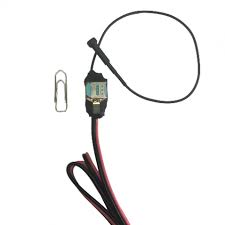
In many cases, people begin searching for bug sweeps after asking:
“is my house bugged?”
“how to detect listening devices”
“someone is spying on me”
These concerns often justify a professional inspection.
Professional vs Consumer Bug Detection Tools
Consumer Devices
basic RF detectors
mobile apps
limited detection range
cannot detect non-transmitting devices
Professional Equipment
spectrum analyzers
non-linear junction detectors
thermal imaging
advanced signal analysis
Professional bug sweep equipment is designed to detect both active and inactive devices, which is critical for a thorough inspection.
Professional Bugging Device Detection Services
USA BugSweeps provides professional bugging device detection services for:
residential properties
offices and corporate environments
vehicles
hotel rooms and rental properties
Each inspection is conducted using specialized equipment and follows a structured detection process designed to locate hidden surveillance devices.
If you believe your privacy may be compromised, a confidential consultation can help determine whether a professional inspection is appropriate.