
Residential Privacy & Home Surveillance Guide
Protecting Your Home, Family, and Personal Privacy
For most people, home is the one place where they expect complete privacy. It is where families have personal conversations, conduct business, manage finances, communicate with attorneys, and simply live their daily lives without concern that someone may be watching or listening.
Unfortunately, advances in technology have made surveillance devices smaller, cheaper, and easier to conceal than ever before. Hidden cameras can be disguised as common household items. Audio recording devices can operate for extended periods without detection. Bluetooth tracking devices and GPS trackers can provide location information to someone hundreds or even thousands of miles away.
While many surveillance technologies have legitimate uses, they can also be misused in ways that invade privacy and create significant personal and professional concerns.
At USA Bugsweeps, we perform professional Technical Surveillance Countermeasure (TSCM) inspections nationwide. Through our work, we regularly speak with homeowners, renters, executives, attorneys, business owners, and individuals involved in divorce, custody, and harassment situations who are concerned about unauthorized surveillance.
This guide explains the most common residential privacy threats, how surveillance devices work, warning signs to watch for, and when professional bug sweep services may be appropriate.
What Is Residential Surveillance?
Residential surveillance refers to the monitoring, recording, tracking, or observation of activities that occur inside or around a private residence.
Surveillance may be conducted using a wide variety of technologies, including:
- Hidden cameras
- Audio recording devices
- Wireless microphones
- Cellular surveillance devices
- GPS trackers
- Bluetooth tracking devices
- Wi-Fi connected monitoring devices
- Smart home technologies
Not all surveillance is illegal or malicious. Homeowners frequently install security cameras, smart doorbells, alarm systems, and monitoring equipment to protect their property and family.
Privacy concerns arise when surveillance devices are installed or used without the knowledge or consent of the people being monitored.
Unauthorized surveillance can create concerns involving:
- Personal privacy
- Family disputes
- Divorce proceedings
- Child custody matters
- Landlord-tenant conflicts
- Harassment situations
- Business confidentiality
- Executive protection concerns
Understanding how surveillance technologies operate is the first step toward protecting yourself and your household.
Who Commonly Conducts Surveillance Inside Homes?
One of the most common questions we receive is:
“Who would place a surveillance device in a residence?”
The reality is that residential surveillance concerns can arise from many different situations.
Divorce and Separation
Divorce, separation, and custody disputes are among the most common circumstances where people become concerned about hidden cameras, recording devices, or location tracking.
When trust breaks down, individuals sometimes begin monitoring the activities, conversations, or movements of a spouse or former partner. Domestic Spying in divorce is a real thing.
Current or Former Partners
A current or former romantic partner may attempt to gather information about personal activities, relationships, finances, or living arrangements.
These concerns often involve:
- Hidden cameras
- Audio recorders
- Bluetooth tracking devices
- GPS trackers
- Shared smart home devices
Roommates and Household Members
Shared living environments can create privacy concerns when multiple individuals have access to a residence.
Potential issues may involve:
- Hidden recording devices
- Cameras placed in common areas
- Unauthorized monitoring of private spaces
Landlords and Property Managers
While most landlords operate professionally and ethically, tenants occasionally become concerned that unauthorized monitoring devices may have been placed inside rental properties.
Privacy concerns frequently involve:
- Bedrooms
- Living rooms
- Bathrooms
- Vacation rentals
- Short-term rental properties
Business Associates
For executives, entrepreneurs, and professionals who work from home, residential privacy concerns may also involve sensitive business information.
Home offices frequently contain:
- Client information
- Financial records
- Proprietary business information
- Confidential communications
In these situations, surveillance concerns may extend beyond personal privacy and into corporate security considerations.
Common Types of Surveillance Devices Found in Residences
Hidden Cameras
Hidden cameras are designed to capture video footage without attracting attention.
Modern devices may be concealed inside:
- Clocks
- Smoke detectors
- USB chargers
- Picture frames
- Alarm clocks
- Decorative objects
Some hidden cameras transmit footage remotely while others simply record video internally for later retrieval.
Audio Recording Devices
Audio recorders are often significantly smaller than cameras and can be hidden in locations that would never support a video device.
These devices may:
- Record continuously
- Activate when sound is detected
- Store recordings internally
- Transmit audio remotely
Cellular Surveillance Devices
Some surveillance devices contain cellular communication capabilities.
These devices may:
- Operate independently of local Wi-Fi
- Transmit information remotely
- Remain active regardless of changes to local internet service
GPS Tracking Devices
GPS trackers are generally associated with vehicles rather than residences.
However, concerns involving GPS tracking frequently arise alongside residential privacy investigations.
Bluetooth tracking devices such as consumer location tags have become increasingly common.
While designed for locating personal property, these devices have also been involved in stalking and unwanted tracking situations.
Signs Your Home May Be Under Surveillance
Many people assume surveillance devices are obvious and easy to identify. In reality, modern cameras and recording devices are often concealed inside everyday household items and may operate for extended periods without drawing attention.
While no single indicator proves surveillance is occurring, several warning signs may justify a closer inspection.
Common concerns include:
- Unfamiliar electronic devices appearing in the home
- Small holes or lenses visible in unusual locations
- Unexpected batteries, chargers, or power adapters
- Devices that seem out of place or recently relocated
- Concerns arising after a divorce, separation, or custody dispute
- Privacy-sensitive conversations being repeated by others
- Unexplained knowledge of personal schedules or activities
- Suspicious smart home devices connected to your network
In many situations, people do not discover surveillance because they find a device. Instead, they become concerned when a series of unusual events begins to suggest their privacy may have been compromised. Hidden cameras and surveillance devices are becoming increasingly compact and difficult to identify through casual observation alone.
Where Hidden Cameras Are Commonly Concealed
One of the most common misconceptions about hidden cameras is that they are always disguised as sophisticated spy equipment.
In reality, many devices are concealed inside ordinary household objects that attract little attention.
Potential concealment locations include:
- Smoke detectors
- Alarm clocks
- USB charging blocks
- Picture frames
- Decorative shelves
- Air purifiers
- Television stands
- Power strips
- Bookshelves
- Wall decorations
Bedrooms, living rooms, home offices, and other areas where people spend significant time are often considered higher-risk locations for privacy concerns.
When examining a room, it is often helpful to ask a simple question:
“Does this item belong here, and does its location make sense?”
Many discoveries begin with identifying an object that appears unusual, recently installed, or inconsistent with the surrounding environment.
How Hidden Audio Devices Work
Unlike cameras, hidden microphones do not require a clear line of sight.
This often makes audio surveillance devices easier to conceal and more difficult to locate.
Audio devices generally fall into several categories:
Voice Recorders
These devices store conversations internally and are retrieved later.
Wireless Transmitters
Audio is transmitted to a nearby receiver.
Cellular Listening Devices
These devices use cellular networks to remotely transmit conversations from virtually any location.
Voice-Activated Recorders
The device remains dormant until speech is detected, helping conserve battery life.
Because audio devices may transmit intermittently or record internally, locating them often requires more than a simple visual inspection.
Can You Detect Surveillance Devices Yourself?
There are several basic steps homeowners can take when privacy concerns arise.
These include:
- Conducting a careful visual inspection
- Looking for unfamiliar electronic devices
- Checking power strips and charging blocks
- Examining smoke detectors and decorative items
- Reviewing connected devices on home Wi-Fi networks
- Looking for unexplained Bluetooth devices
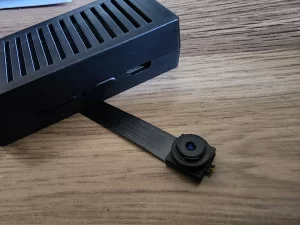
Consumer detection products are widely available and may help identify some devices under certain circumstances.
However, many surveillance devices are designed specifically to avoid detection. Devices may be powered off, record internally, transmit intermittently, or utilize technologies that are difficult for consumer detectors to identify.
For this reason, self-inspections can be useful as an initial step but should not be viewed as a substitute for a comprehensive professional TSCM inspection when significant privacy concerns exist.
What Happens During a Professional Residential Bug Sweep?
A professional Technical Surveillance Countermeasure (TSCM) inspection is designed to identify surveillance threats that may not be visible during a routine search.
Professional inspections typically involve multiple layers of examination, including:
- Detailed physical inspection
- Radio frequency analysis
- Wi-Fi device analysis
- Bluetooth device analysis
- Detection of wireless transmissions
- Evaluation of suspicious electronics
- Verification of potential surveillance threats
Rather than relying on a single detector, professional bug sweep specialists use a combination of equipment, methodology, and experience to evaluate whether surveillance devices are present.
The objective is not simply to locate hidden cameras or microphones, but to provide confidence that a residence has been thoroughly examined using professional procedures.
Protecting Your Privacy at Home
Protecting residential privacy is not a one-time activity. It requires awareness, good security practices, and periodic evaluation of the technologies that exist inside and around your home.
While most people focus on external threats, privacy risks often originate from devices that have been intentionally installed within the residence. Cameras, microphones, smart home devices, and network-connected electronics can all create privacy concerns when improperly configured or intentionally misused.
To improve privacy protection:
- Regularly review devices connected to your Wi-Fi network
- Change default passwords on smart home equipment
- Enable multi-factor authentication whenever available
- Keep software and firmware updated
- Carefully evaluate new electronics brought into the home
- Periodically inspect privacy-sensitive areas
- Limit unnecessary access to smart home systems
- Review who has administrative access to connected devices
Homeowners should also understand that legitimate security cameras and smart home systems can provide valuable protection when properly installed and managed. The goal is not to avoid technology, but to use it responsibly while maintaining control over who has access to your information and recordings.
A survey cited by The Zebra found that 87% of Americans either did not know or were unsure how smart doorbell camera companies use the personal data collected from their devices. This illustrates how many consumers use surveillance technology without fully understanding the privacy implications.
The Zebra
When Should You Consider a Professional Bug Sweep?
Not every privacy concern requires a professional bug sweep. However, certain situations may justify a more comprehensive evaluation.
You may wish to consider a professional TSCM inspection if:
During Divorce or Separation
Privacy concerns frequently arise during divorce, separation, and child custody disputes. Individuals often seek reassurance that conversations, activities, and communications remain private.
After Discovering a Suspicious Device
If an unfamiliar electronic device, camera, microphone, or tracking device is discovered, a broader inspection may help determine whether additional devices are present.
Following a Security Breach
Unauthorized access to personal information, unusual activity involving smart home systems, or concerns regarding surveillance may warrant further investigation.
Executive or High-Net-Worth Privacy Concerns
Business owners, executives, attorneys, healthcare professionals, and public figures often have elevated privacy requirements due to the sensitive information they handle.
Persistent Privacy Concerns
Sometimes the most important factor is confidence. If ongoing concerns are affecting your peace of mind, a professional inspection can provide clarity and help determine whether surveillance devices are actually present.
"Most people think privacy threats only happen to celebrities, executives, or public figures. In reality, we regularly speak with homeowners, renters, and families who are concerned about hidden cameras, listening devices, or unauthorized surveillance. Understanding the risks is the first step toward protecting your privacy."
Michael Auletta - President USA Bugsweeps
Need Professional Assistance?
If you are concerned that your residence may be under surveillance, professional assistance may help provide answers.
USA Bugsweeps provides professional residential Technical Surveillance Countermeasure (TSCM) inspections nationwide. Our inspections are designed to detect hidden cameras, listening devices, unauthorized wireless transmitters, suspicious electronics, and other surveillance threats that may compromise privacy.
Whether your concerns involve a private residence, apartment, condominium, vacation property, or executive home office, our team can help evaluate potential surveillance risks using professional equipment and established TSCM methodologies.
Related Resources
- Signs Your Home Is Bugged
- Hidden Cameras in Homes
- Hidden Audio Devices Explained
- Professional Residential Bug Sweeps
- Vehicle GPS Tracker Detection
- Surveillance Detection Resources
Concerned about residential surveillance? Contact USA Bugsweeps to discuss your situation and determine whether a professional bug sweep is appropriate for your circumstances.