
What Is a Bug Sweep? A Complete Guide to TSCM, Hidden Devices & Privacy Protection
What Is a Bug Sweep?
A bug sweep, commonly referred to as a Technical Surveillance Countermeasures (TSCM) inspection, is a professional process used to detect hidden surveillance devices designed to secretly collect conversations, video footage, location data, or other sensitive information. These inspections help identify threats such as covert microphones, hidden cameras, GPS tracking devices, wireless transmitters, and unauthorized electronic monitoring equipment.
Modern spying devices have become smaller, cheaper, and easier to purchase online, increasing privacy risks for homeowners, executives, attorneys, businesses, and individuals involved in contentious personal situations such as divorce or custody disputes.
Professional bug sweep inspections go beyond simply scanning for radio frequencies. Comprehensive TSCM inspections often include physical searches, signal analysis, equipment testing, and examination of common concealment locations to locate sophisticated surveillance threats.
Common reasons people request bug sweeps include:
- Suspicion of hidden cameras in homes or rentals
- Concerns about GPS trackers on vehicles
- Divorce or domestic spying concerns
- Corporate espionage risks
- Confidential meetings or executive protection
- Unexplained device behavior or privacy concerns
Not every suspicion results in a device being found, but understanding when surveillance may be occurring is the first step toward protecting privacy.
What Does TSCM Mean?
TSCM stands for Technical Surveillance Countermeasures, a specialized field focused on identifying, locating, and mitigating hidden surveillance threats. While many people use the term “bug sweep,” TSCM refers to a much broader and more comprehensive process designed to protect privacy, confidential communications, and sensitive environments.
Professional TSCM inspections may target:
- Hidden cameras
- Covert microphones and listening devices
- GPS trackers
- Wireless transmitters
- Unauthorized cellular surveillance equipment
- Modified electronics used for spying
- Suspicious network-connected devices
Unlike consumer “bug detectors,” professional TSCM investigations combine specialized equipment, physical inspections, signal analysis, and investigative experience.
Bug Sweep vs TSCM: Is There a Difference?
Bug Sweep:
Common public term referring to searching for hidden surveillance devices.
TSCM Inspection:
Professional, methodical counter-surveillance process used to detect sophisticated threats.
Most professional bug sweep companies perform TSCM services, even if clients search using simpler phrases like bug sweeps near me.
Common Types of Hidden Surveillance Devices Found During Bug Sweeps
Many people picture an old-fashioned microphone hidden under a desk when they think about surveillance. In reality, modern spying devices are smaller, cheaper, and often disguised as everyday objects. Professional bug sweeps frequently uncover technology designed to secretly record conversations, monitor movements, or transmit video without the target’s knowledge.
Hidden Cameras
Hidden cameras may be concealed inside:
- Smoke detectors
- Alarm clocks
- USB chargers
- Power adapters
- Air purifiers
- Picture frames
Many newer devices connect through Wi-Fi, allowing remote viewing from anywhere.
Listening Devices & Hidden Microphones
Audio bugs can continuously record or transmit conversations using cellular, RF, or Bluetooth technology. These are commonly suspected in divorce disputes, businesses, and executive environments.
GPS Tracking Devices
GPS trackers are often hidden beneath vehicles, inside wheel wells, or connected to diagnostic ports to monitor location history.
Modified Electronics
Everyday devices may be altered to perform surveillance functions while appearing normal.
Why Professionals Find Devices Consumers Miss
Consumer detectors can overlook sophisticated threats. Professional TSCM inspections use layered detection methods, physical inspections, and specialized equipment.
Signs You May Need a Professional Bug Sweep
Most people who contact a bug sweep company do not start with proof—they start with a suspicion that something feels wrong. While unusual behavior from devices or unexplained privacy concerns does not automatically mean surveillance is occurring, certain patterns can justify a professional TSCM inspection.
Common Warning Signs of Hidden Surveillance
1. Someone knows information they should not know
Repeated references to private conversations, travel plans, legal strategies, or confidential business matters can raise concerns.
2. Unexplained devices or altered objects appear
New chargers, smoke detectors, clocks, USB adapters, or electronics appearing in sensitive spaces may warrant inspection.
3. Strange Wi-Fi or Bluetooth activity
Unknown networks, unfamiliar connected devices, or unexpected signal activity can sometimes indicate hidden surveillance equipment.
4. Ongoing divorce, custody, or domestic disputes
High-conflict personal situations are increasingly associated with allegations of hidden cameras, GPS tracking, and covert monitoring.
5. Corporate confidentiality concerns
Leaked meeting details, client information, or proprietary business discussions may justify executive or office inspections.
Important Reality:
Unusual behavior alone does not confirm surveillance. Professional bug sweeps are designed to separate legitimate threats from false alarms using structured detection methods.
How Do Professional Bug Sweeps Work? Inside a TSCM Inspection
One of the most common questions people ask is: “What actually happens during a professional bug sweep?” The answer is that legitimate TSCM inspections are structured, methodical investigations—not simply someone walking through a room with a handheld detector. Professional bug sweeps are designed to locate hidden surveillance threats while ruling out false positives.
Step 1: Threat Assessment
The process often begins with understanding concerns:
- Why surveillance is suspected
- Recent events (divorce, litigation, business disputes)
- Areas of concern
- Known suspicious activity
Step 2: Physical Inspection
Technicians inspect locations where devices are commonly concealed:
- Furniture
- Electronics
- Vehicles
- Smoke detectors
- Power supplies
- Decorative objects
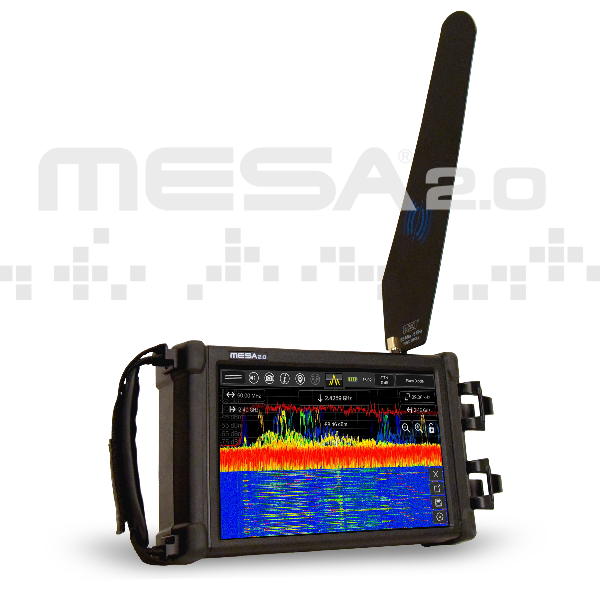
Step 3: Electronic Detection & Signal Analysis
Specialized equipment may be used to identify:
- RF transmissions
- Wireless devices
- GPS trackers
- Hidden cameras
- Cellular-enabled surveillance tools
Step 4: Findings & Verification
Potential threats are evaluated to distinguish legitimate surveillance devices from harmless electronics.
Important: Professional TSCM inspections aim to confirm or eliminate concerns through evidence, not assumptions.
Why Homeowners Request Bug Sweeps: Residential Privacy Risks Are Increasing
Many people associate bug sweeps with government agencies or corporate espionage. In reality, a growing number of professional TSCM inspections involve private residences, apartments, vacation rentals, and personal vehicles. Concerns about hidden cameras, GPS tracking, and covert audio monitoring have become more common as surveillance technology has become cheaper and easier to obtain.
Privacy concerns surrounding hidden surveillance continue to grow: The global hidden camera detection device market was valued at approximately $150 million in 2023 and is projected to reach $450 million by 2032, representing 12.5% annual growth. Researchers attribute much of this increase to rising consumer concern over privacy and covert surveillance. This is a strong statistic for introducing why bug sweep services are becoming more relevant. (Source: DataIntelo)
Homeowners may seek a bug sweep after:
- Divorce or separation disputes
- Custody disagreements
- Suspicious behavior from former partners
- Discovering unfamiliar electronics or devices
- Repeated privacy breaches
- Concerns involving domestic employees, contractors, or visitors
Common Residential Areas Inspected During Bug Sweeps
Professional inspections may focus on locations where surveillance devices could be concealed:
- Bedrooms
- Home offices
- Living rooms
- Vehicles
- Smoke detectors
- Chargers and electronics
- Wi-Fi enabled devices
- HVAC vents and decorative objects
Vacation Rentals & Temporary Housing Risks
Short-term rentals and unfamiliar accommodations sometimes raise concerns regarding hidden cameras or unauthorized monitoring. Travelers increasingly search for ways to protect privacy while staying away from home.
Professional inspections help determine whether concerns are supported by evidence, providing either confirmation of threats or peace of mind.
Divorce, Domestic Surveillance & Why Ex-Spouse Monitoring Concerns Are Increasing
One of the fastest-growing reasons individuals seek professional bug sweeps is concern over domestic surveillance during divorce, separation, or custody disputes. As hidden cameras, GPS trackers, and covert listening devices have become easier to purchase online, allegations of unauthorized monitoring inside homes and vehicles have become increasingly common.
During emotionally charged situations, individuals may worry that private conversations, legal strategies, financial discussions, or parenting communications are being monitored.
Common Concerns Reported During Divorce or Separation
- Hidden cameras inside shared homes
- GPS tracking devices attached to vehicles
- Listening devices placed in bedrooms or offices
- Monitoring through smart home devices
- Unauthorized access to phones, tablets, or accounts
- Surveillance aimed at gathering leverage in legal disputes
Why Professional Inspections Matter
Suspicion alone does not confirm surveillance. Professional TSCM inspections are designed to objectively evaluate environments using physical inspections, specialized equipment, and investigative procedures to determine whether monitoring devices are present.
A legitimate inspection seeks evidence, not assumptions.
Important Consideration
If active surveillance devices are discovered, documentation and preservation procedures may become important depending on legal circumstances.
Corporate Espionage, Business Risks & Why Companies Request Bug Sweeps
While residential privacy concerns are increasing, businesses have long relied on professional TSCM inspections to protect confidential information. Corporate espionage does not always involve sophisticated intelligence operations—sometimes sensitive information is exposed through simple surveillance devices placed in meeting rooms, offices, vehicles, or executive spaces.
Companies may request bug sweeps before:
- Mergers or acquisitions
- Board meetings
- Contract negotiations
- Intellectual property discussions
- Litigation preparation
- Executive transitions
- High-value client meetings
What Information Is Often Targeted?
Unauthorized surveillance may seek to capture:
- Financial data
- Trade secrets
- Client information
- Pricing strategies
- Legal discussions
- Product development details
Common Areas Inspected in Commercial Environments
Professional bug sweeps may include:
- Executive offices
- Conference rooms
- Corporate vehicles
- Remote workspaces
- Hotel rooms during travel
- Temporary meeting locations
Why Businesses Use Preventative Inspections
Many commercial bug sweeps are preventative rather than reactive. Organizations often conduct inspections before sensitive events simply to verify privacy and reduce risk.
Professional TSCM inspections focus on identifying vulnerabilities before information exposure occurs.
DIY Detection vs Professional Bug Sweeps: What Actually Works?
A common question people ask before contacting a TSCM company is: “Can I find hidden surveillance devices myself?” The answer depends on the suspected threat, environment, and equipment involved.
Consumers can sometimes identify obvious issues such as:
- Unknown Wi-Fi networks
- Suspicious Bluetooth devices
- Unfamiliar chargers or electronics
- Visible hidden cameras
- Unexpected GPS hardware on vehicles [2]
Smartphone apps and inexpensive bug detectors are widely available, but their effectiveness is limited. Many consumer tools produce false positives or fail to detect sophisticated surveillance devices. [5]
When DIY Checks May Help
DIY inspection methods may be useful when:
- Staying in unfamiliar rentals or hotels
- Checking for obvious hidden cameras
- Reviewing connected devices on Wi-Fi networks
When Professional Bug Sweeps Become Important
Professional TSCM inspections are typically recommended when concerns involve:
- Divorce or domestic surveillance
- Executive or business confidentiality
- Legal matters
- Repeated privacy breaches
- Suspected GPS tracking
- High-value targets
Professional inspections use layered methodologies, physical searches, and specialized TSCM equipment designed to distinguish real threats from normal electronics.

“Most people think bug sweeps are only for celebrities, executives, or government agencies. In reality, we increasingly see privacy concerns involving homes, divorce cases, businesses, and everyday individuals who simply want to know whether their conversations or movements are being monitored.”
Jimmie Mesis BAI, TSCM, LPI
“A professional bug sweep isn’t about confirming fears, it’s about finding facts. Effective TSCM inspections rely on experience, specialized equipment, and methodical investigation to determine whether surveillance threats actually exist.”
Michael Auletta LPI, TSCM
How Much Does a Professional Bug Sweep Cost?
One of the most searched questions surrounding TSCM services is: “How much does a bug sweep cost?” The honest answer is that pricing varies significantly depending on the environment, level of risk, and scope of inspection.
Professional bug sweep pricing may be influenced by:
- Location size: Homes, offices, vehicles, or multiple properties
- Inspection complexity: Residential concern vs. corporate or executive threat assessment
- Number of areas inspected: Single room, entire building, fleet vehicles, etc.
- Travel requirements: Local vs. nationwide response
- Urgency: Emergency or after-hours requests
- Specialized risks: Litigation, corporate espionage, or suspected targeted surveillance
Why Extremely Cheap Bug Sweeps Can Be a Warning Sign
Professional TSCM inspections require training, experience, and expensive detection equipment. Comprehensive inspections typically involve more than a basic RF scan.
Consumers should ask:
- What equipment is used?
- Is a physical inspection included?
- Is vehicle inspection included?
- Are findings documented?
- What experience does the provider have?
Choosing solely on price can overlook capability.
A well equippted professional experienced TSCM firm usually has pricing that will range from $1.50 per square foot for residential inspections and $2.50 per square foot for Business TSCM inspections. Those are general guidelines and most Bug Sweep Companies will have minimum rates beginning in the thousands.
Frequently Asked Questions About Bug Sweeps & TSCM Inspections
How do I know if I need a bug sweep?
People commonly request inspections after noticing privacy concerns, suspicious behavior, ongoing divorce disputes, unexplained information leaks, or concerns involving hidden cameras, GPS trackers, or listening devices. A professional inspection helps determine whether concerns are supported by evidence.
Can hidden cameras really be found?
Yes. Professional TSCM inspections are designed to detect hidden surveillance equipment, including concealed cameras, unauthorized transmitters, and covert monitoring devices using physical inspections and specialized tools.
Are bug sweeps only for businesses?
No. Residential inspections involving homes, apartments, vehicles, and divorce-related concerns are increasingly common.
Can a phone detect hidden surveillance devices?
Consumer apps and devices may identify some obvious signals, but professional inspections are generally more comprehensive and intended to reduce false positives.
What does TSCM stand for?
TSCM means Technical Surveillance Countermeasures, the professional process used to detect and evaluate hidden surveillance threats.
What happens if a surveillance device is found?
Findings may be documented and evaluated. Appropriate next steps vary depending on the situation and potential legal considerations.