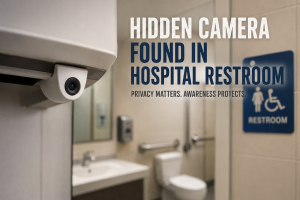
Hidden Camera in a Bathroom: A Real Case That Should Concern Every Homeowner
In 2026, a case out of Mesa, Arizona exposed a reality most people underestimate hidden surveillance inside private homes is not rare, and it’s often far more sophisticated than people expect.
According to police, a man installed a hidden camera inside a bathroom, disguising it as a Wi-Fi extender. The device recorded victims for four years before it was discovered. Investigators later confirmed that multiple individuals, including minors, were recorded without their knowledge or consent.
This wasn’t a random act. It was calculated, sustained, and undetected for years.
That’s the real takeaway and the real risk.
What Happened in This Case (Summary)
Here’s what makes this case important:
- The device was disguised as a normal household object (Wi-Fi extender)
- It was installed in a highly private location (bathroom)
- It operated undetected for approximately four years
- Multiple victims were recorded, including children
- The suspect had legitimate access to the home
Police stated this represented a “profound violation of trust and personal privacy”.
That wording matters because this wasn’t just a crime of opportunity. It was enabled by access, familiarity, and a complete lack of detection.
The Real Threat: Hidden Devices Are Designed to Blend In
Most people assume a hidden camera looks suspicious.
That’s outdated thinking.
Modern surveillance devices are built to look exactly like everyday objects:
- Wi-Fi extenders
- Smoke detectors
- Phone chargers
- USB adapters
- Alarm clocks
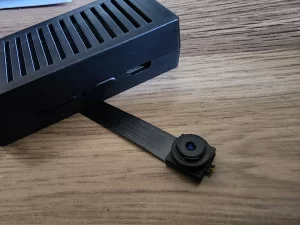
In this case, the camera was hiding in plain sight as a network device—something no one would question.
That’s why DIY detection fails.
Why This Went Undetected for Years
1. Familiar Access
The suspect had legitimate access to the home. No forced entry. No suspicion.
This is the #1 factor in residential surveillance cases.
2. Device Camouflage
The camera didn’t look like a camera. It looked like infrastructure.
Most people never question routers, extenders, or electronics plugged into walls.
3. No Active Scanning
There was no RF sweep, no inspection, no technical counter-surveillance.
Without active detection, these devices can run indefinitely.
4. Passive Recording Capability
Many devices don’t transmit constantly. They store footage locally.
That means:
- No unusual Wi-Fi traffic
- No obvious signals
- No alerts
5. Psychological Blind Spot
People don’t expect surveillance inside their own home—especially from someone they know.
That assumption is exactly what allows this to happen.
The Bigger Risk Most People Miss
This isn’t just about one case.
It highlights a broader shift:
- Surveillance technology is cheaper than ever
- Devices are smaller and harder to detect
- Anyone can buy them online
- Installation requires zero technical skill
Research shows many covert cameras use mass-produced modules with minimal security controls, making them widely accessible and easily deployed.
In plain terms: the barrier to entry is gone.
Where These Devices Are Most Commonly Found
Based on real-world TSCM cases, hidden devices are most often found in:
- Bedrooms
- Bathrooms
- Living rooms
- Home offices
- Rental properties
- Airbnbs and guest spaces
The Mesa case checks the most dangerous box: bathroom placement, where expectation of privacy is highest.
Who Is Most at Risk
Patterns are consistent across cases:
- Divorce / Separation Situations
One party still has access and installs surveillance - Shared Living Environments
Roommates, tenants, or extended family - New Homeowners
Previous occupants or contractors had access - Short-Term Rentals
High turnover = high opportunity - Domestic Employees / Contractors
Unsupervised access to private areas
Why Consumer “Bug Detectors” Don’t Work
Most people try to solve this with:
- Phone apps
- Cheap RF detectors
- “Spy camera finder” gadgets
Here’s the problem:
They only detect:
- Active wireless signals
- Poorly built devices
They miss:
- Hardwired cameras
- Dormant devices
- Locally recording systems (like in this case)
That’s why this device operated for four years.
What a Professional Bug Sweep Actually Does
A real TSCM inspection includes:
- Full RF spectrum analysis
- Physical inspection of all fixtures and electronics
- Non-linear junction detection (for hidden circuitry)
- Network analysis
- Verification of suspicious devices
This is how disguised hardware gets identified.
Not guesswork. Not apps.
Key Takeaways From This Case
- If someone has access, they have opportunity
- If a device blends in, you won’t question it
- If you’re not actively looking, you won’t find it
- If it’s recording locally, you won’t detect signals
That combination is exactly what makes these cases so dangerous.
How to Protect Yourself
Be realistic. Not paranoid.
Red Flags
- New or unfamiliar electronics
- Devices plugged in where they shouldn’t be
- Unusual placement of “network” equipment
- Changes after someone had access
Situations Where You Should Act
- Divorce or relationship conflict
- Moving into a new home
- After contractors or guests
- Suspicion of surveillance
When to Call a Professional
If the situation has:
- Legal implications
- Personal safety concerns
- High-risk individuals involved
You don’t guess—you verify.
Final Thought
This case wasn’t unique.
It was just one of the few that got caught.
The reality is simple:
If someone wants to place a device in your home—and they have access—they can.
The only question is whether you’ll find it.