
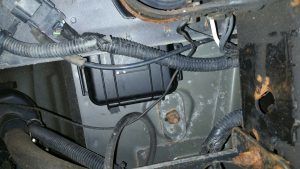
Need help? Make a Call

info@usabugsweeps.com

GPS Tracker Sweep for Vehicles

DO YOU SUSPECT YOUR VEHICLE IS “BUGGED” AND YOU ARE BEING MONITORED OR TRACKED?

Do you suspect that you are being followed? Well, maybe you are!

We can help you today!

Contact Us Now at 888-808-4802 For Free Instant Quote

We are GPS tracker Sweep Experts conducting GPS tracker sweeps nationwide. Our Bug Sweepers can also detect Hidden Cameras, Audio Devices, GPS Trackers in cars and even more. Finding Live GPS Trackers is Our Business. Trust our Experts in Finding & Removing Audio & Video Devices. Free Consultations. More than Twenty Years of Experience. We are certified and Accredited.

How to Find Live GPS Tracker?

TSCM Find GPS Tracker Live

A live GPS tracker is a small device that sends a live signal to the person who installed it and tells them where you are 24 hours a day, every day! Anyone can buy a live GPS tracker on the Internet for as little as $50 and be able to monitor your vehicle’s exact location using a smartphone, laptop, or computer that’s connected to the Internet.

A live GPS tracker sweep can be as small as a 9 volt battery and can easily be attached and concealed under the bumper of your car. Let’s face it, when was the last time you lie down under your car. Also search for a GPS tracker? 

Would you even know what to look for?

We conduct Live GPS tracker Sweeps

If you are the only one with keys to your car, there’s a good chance that someone would have to attach the GPS tracker under your vehicle using a small waterproof magnetic case. While the tracker itself can be very small, the case usually makes it much easier to be found…if you know what you are looking for.

If a spouse of co-worker may have had access to your keys, then a live GPS tracker could have been installed or placed anywhere inside your car. This requires very expensive and sophisticated electronic equipment to find the hidden tracker because it can be hidden anywhere, even buried under your dash!

The amount of time someone would have had possession of your vehicle will also determine to what extent the culprit could have undertaken to install the tracker. Having you car for a few hours is sufficient time to have the live GPS tracker installed and buried anywhere in your vehicle. You would never be able to determine if a GPS tracker has been installed without specialized GPS detection equipment and a trained TSCM technician to locate it.

Find Live GPS Tracker The battery life of a live GPS tracker depends on the make/model and the number of hours your drive. The most common live GPS trackers have an internal battery life of approximately of 15-25 hours of motion. The device actually goes to sleep when it is not moving.

Contact us now to learn more!

Optional battery backs can connect to the Live GPS Tracker. In result extending the battery life to as much as 6 months. Tracker can be hard wire into vehicle’s power supply. If that is the case then it can last as long as you own the car.
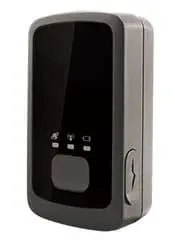
Our experienced and trained TSCM technicians utilize the latest technology in live GPS tracker detection. We use several very expensive detection devices to find a live GPS tracker that is either on or off

There are many types of live GPS Trackers.

We use the Oscor Green 24G Spectrum Analyzer or MESA 2.0 Spectrum Analyzer that will detect the live GPS tracker RF signal while it transmits its location to the tracking company. Most trackers report their location every 10 seconds or every 1-2 minutes while in motion. The reporting time varies significantly based on the tracker model and customer settings.

There are several other devices we use that will also immediately detect the live GPS tracker signal such as the WolfhoundPro. It is important that you hire the right person with the right equipment and experience to conduct a thorough TSCM vehicle inspection.

Take a moment and call us to speak with a TSCM specialist who can answer your questions and provide you with a quote.

Remember, unless you retain the services of a professional TSCM specialist, you will never know if there is a live GPS tracker installed in your vehicle.

STOP WORRYING! CALL NOW FOR A QUOTE!

Smart Tags and Vehicle Tracking

Smart tags, also known as Bluetooth tracking tags or BLE trackers, are small wireless devices originally designed to locate personal items. Today, they are increasingly misused to track vehicles without the owner’s knowledge.

These devices work by continuously broadcasting a low-power Bluetooth signal. When nearby smartphones detect the signal, the location is anonymously uploaded to a cloud network and shared with the person who placed the tag. This allows the vehicle’s movements to be monitored in near real time, even though the tag itself does not contain GPS.

Because millions of phones participate in these networks, smart tags can provide highly accurate tracking across cities and highways.

Why Smart Tags Are Commonly Used for Vehicle Tracking

  • Small and easy to hide

  • Low cost compared to GPS trackers

  • No cellular service required

  • Long battery life

  • Difficult to notice without inspection

They are often concealed in wheel wells, bumpers, undercarriages, trunks, or inside vehicle compartments.

.

Smart Tags vs Traditional GPS Trackers

Smart Tags (BLE Trackers): Use Bluetooth signals and crowdsourced phone networks for location updates.
GPS Trackers: Use satellites and cellular networks to transmit real-time positioning data.

Both can be used for vehicle tracking, but smart tags are increasingly popular due to their size and ease of concealment.

GPS Tracker FAQs

A GPS tracker is a device that uses satellite positioning to determine a vehicle’s location and transmits that data through cellular networks or stored memory. These devices are commonly attached to a vehicle’s exterior, hidden inside compartments, or hard-wired into the vehicle’s electrical system. GPS trackers can provide continuous or periodic location updates and are frequently used for unauthorized vehicle monitoring.

Smart tags, also known as Bluetooth or BLE trackers, are small wireless devices designed to locate personal items but are increasingly used to track vehicles. They work by broadcasting a Bluetooth signal that nearby smartphones detect and upload to a location network. This allows the person who placed the tag to monitor a vehicle’s movements even though the tag itself does not use GPS.

Common hiding locations include under the vehicle’s undercarriage, inside wheel wells, behind bumpers, inside the trunk, under seats, inside glove compartments, and near the OBD port. Some GPS trackers may also be hard-wired behind interior panels or connected directly to the vehicle’s power system.

Yes. Many GPS trackers contain internal batteries or remain powered through the vehicle’s electrical system. Smart tags operate on small internal batteries and can continue transmitting Bluetooth signals regardless of whether the vehicle is running.

Possible signs include unfamiliar devices attached to the vehicle, unexplained wiring, unusual knowledge of your whereabouts by another person, or alerts on your smartphone about unknown Bluetooth trackers. However, many tracking devices are well concealed, which is why a professional inspection is often the most reliable way to confirm tracking.

Yes. Professional vehicle sweeps use layered detection methods to locate traditional GPS tracking devices as well as Bluetooth-based smart tags. These inspections combine physical searches with electronic detection techniques to identify both transmitting and non-transmitting devices.

Smart tags can be more difficult to notice because they are small and blend into normal Bluetooth traffic. While some phones can alert users to unknown tags nearby, professional detection methods are far more reliable for locating hidden smart tags on vehicles.

If you suspect tracking but cannot locate a device through a visual inspection, or if you believe a hard-wired or advanced tracker may be installed, a professional vehicle sweep is recommended. Professional inspections provide thorough detection that goes beyond basic DIY checks.