Restroom & Bathroom Bug Sweeps – Hidden Camera Detection
We can help you today!
Contact Us Now at 888-808-4802 For Free Instant Quote
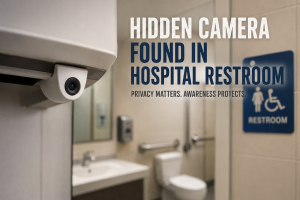
Bathrooms and restrooms are among the most sensitive environments when it comes to privacy. Unfortunately, they are also locations where hidden cameras or recording devices are sometimes illegally installed. Incidents involving concealed surveillance devices in bathrooms, locker rooms, and rental properties have appeared in news reports and criminal investigations across the country.
A restroom bug sweep is a professional counter-surveillance inspection designed to detect hidden cameras, audio recording devices, or wireless transmitters that may be secretly monitoring private spaces.
Professional Technical Surveillance Countermeasures (TSCM) inspections help ensure that bathrooms and restrooms remain free from unauthorized surveillance equipment.
Why Restrooms and Bathrooms Are High-Risk Areas for Hidden Cameras
Bathrooms are considered private spaces where individuals expect complete privacy, which is why surveillance in these areas is illegal in most jurisdictions.
Despite legal restrictions, hidden cameras have occasionally been discovered in:
public restrooms
rental properties and vacation homes
locker rooms and gyms
hotel bathrooms
workplace facilities
These incidents typically involve small cameras concealed inside everyday objects or building fixtures.
Because modern surveillance devices are extremely small and inexpensive, they can sometimes remain hidden for extended periods of time before being discovered.
Common Places Hidden Cameras Are Installed in Bathrooms
Our USA bug sweeps TSCM debugging specialists have specialized training. Also, we use unique electronic equipment designed to quickly find covert video cameras that at either on or off, wired or wireless.
Hidden surveillance devices can be disguised or concealed in locations that allow a clear view of the room while remaining unnoticed.
Common hiding locations include:
smoke detectors
ceiling vents or air ducts
electrical outlets or wall plates
bathroom shelves or decorative fixtures
alarm clocks or electronic devices
light fixtures or ceiling panels
Some cameras may also be hard-wired into electrical systems or connected to remote recording equipment, making them difficult to identify without professional inspection.
What Is a Restroom Bug Sweep?
A restroom bug sweep is a specialized TSCM inspection focused on detecting hidden surveillance devices in bathrooms or restroom facilities.
Because some surveillance devices transmit wirelessly while others store recordings internally, a comprehensive inspection must include both electronic detection and physical inspection techniques.
How Professional TSCM Specialists Detect Hidden Cameras
Professional surveillance detection requires specialized equipment and trained inspection procedures.
A restroom bug sweep may include several detection methods.
Physical Inspection
Technicians inspect bathroom fixtures, vents, electronics, and structural areas where devices may be concealed.
RF Spectrum Analysis
Radio frequency scanners identify wireless signals emitted by transmitting surveillance devices.
Non-Linear Junction Detection
This technology detects electronic components even when a device is powered off.
Camera Lens Detection
Optical tools help identify hidden camera lenses concealed inside objects or fixtures.
Wireless Device Analysis
Bluetooth and WiFi scanning can identify unknown devices connected to the environment.
Because surveillance devices can operate intermittently or remain powered off, multiple detection methods are required for reliable results.
When to Schedule a Restroom Bug Sweep
Bathroom bug sweep inspections are commonly requested in situations where privacy is critical.
Examples include:
concerns about hidden cameras in rental properties
suspected covert surveillance in private residences
When individuals believe a restroom or bathroom may be monitored, a professional inspection can help identify potential threats.
Professional Restroom Surveillance Detection Services
USA Bugsweeps provides professional TSCM restroom bug sweep services designed to locate hidden surveillance devices in sensitive environments.
Our inspections combine advanced detection equipment with experienced counter-surveillance techniques to identify hidden cameras, audio recording devices, and wireless transmitters.
Each inspection is conducted discreetly and designed to locate both transmitting and non-transmitting surveillance devices that could compromise privacy.
Protecting private spaces begins with identifying potential surveillance threats before they are able to capture sensitive information.
Yes, hidden cameras have occasionally been discovered in bathrooms and restroom facilities. Because these areas involve a high expectation of privacy, installing surveillance devices in bathrooms is illegal in most jurisdictions.
Hidden cameras can be extremely small and are often disguised inside everyday objects such as smoke detectors, vents, alarm clocks, or electronic devices. Some cameras are concealed behind small holes or inside fixtures.
Professional inspections use several methods including RF scanning, camera lens detection, wireless signal analysis, and physical inspection of fixtures and electronics where devices may be concealed.
If you discover a suspicious device, it is generally recommended to leave it in place and contact authorities or a professional inspection service. Handling the device could disturb evidence or damage the device before it can be investigated.