Hidden Camera Found in Hocking Hills Rental Cabin: What This Case Reveals About Hidden Surveillance
A disturbing case in Hocking Hills, Ohio has drawn national attention after authorities discovered a hidden camera inside a rental cabin bathroom, allegedly recording guests without their knowledge. According to reports from law enforcement, the device had secretly captured footage of dozens of victims who stayed at the property before the surveillance was discovered.

Cases like this highlight a growing concern: hidden cameras placed inside rental properties and vacation homes. While most rental hosts operate responsibly, incidents like this show how surveillance devices can be concealed in locations where people expect privacy.
Understanding how these devices are hidden and detected is critical for travelers, property owners, and anyone concerned about unauthorized surveillance.
What Happened in the Hocking Hills Hidden Camera Case
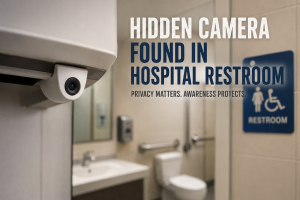
According to deputies in Hocking County, Ohio, a hidden recording device was discovered inside a bathroom ceiling at a rental cabin located in the popular Hocking Hills tourist area.
Authorities say the device had been installed in a position that allowed it to secretly record individuals using the bathroom. After the device was discovered, law enforcement obtained search warrants and launched a criminal investigation.
Investigators later determined that multiple victims had been recorded without their knowledge, and the discovery triggered a broader investigation into the illegal surveillance activity.
The case quickly gained national attention because it involved covert recording in a private area of a vacation rental property, something that violates both privacy laws and the policies of most short-term rental platforms.
.
How the Hidden Camera Was Discovered
The hidden camera was discovered when a guest staying at the cabin noticed something unusual in the bathroom ceiling area.
Upon closer inspection, the individual identified a small device that appeared to be concealed within the structure of the ceiling. After the device was reported, deputies responded to the property and confirmed the presence of a hidden recording device.
Law enforcement later secured search warrants and began collecting evidence related to the recordings and installation of the surveillance device.
Many hidden camera cases are discovered in similar ways — by accident or through careful observation by guests who notice something out of place.
Why Hidden Cameras Are Difficult to Detect
Modern surveillance devices have become extremely small and easy to conceal. Hidden cameras can be disguised as everyday objects or installed inside building structures where they are difficult to see.
Many devices are designed to blend into normal household items, making them difficult to identify without a careful inspection.
In some cases, cameras are hard-wired into electrical systems or connected to hidden recording equipment located in another room.
Because of these concealment methods, hidden cameras can sometimes remain undiscovered for extended periods of time.
Common Places Hidden Cameras Are Installed in Rental Properties
Hidden surveillance devices are often placed in locations where individuals have a reasonable expectation of privacy. Investigators and security professionals have found cameras concealed in a variety of places inside rental properties.
Common hiding spots include:
Smoke detectors
Ceiling vents
Bathroom fixtures
Alarm clocks
Electrical outlets
Wall decorations
Air vents or HVAC ducts
Charging adapters or small electronics
Bathrooms and bedrooms are particularly concerning locations because these areas are where guests expect the highest level of privacy.
Hidden Cameras in Short-Term Rentals and Airbnb Properties
The rise of short-term rental platforms has created millions of privately owned vacation properties around the world. While the vast majority of hosts follow platform rules and operate responsibly, incidents involving hidden surveillance devices occasionally appear in criminal investigations.
Most rental platforms prohibit cameras in private areas such as bathrooms and bedrooms. However, enforcement depends largely on detection and reporting.
Cases like the Hocking Hills incident demonstrate why travelers should remain aware of their surroundings when staying in unfamiliar properties.
How Hidden Cameras Are Detected
Many hidden cameras are discovered accidentally, but professional surveillance detection specialists use several techniques to locate concealed devices.
Professional Technical Surveillance Countermeasures (TSCM) inspections may include:
RF spectrum analysis to identify transmitting devices
hidden camera lens detection using optical methods
inspection of electrical wiring and electronic devices
wireless signal analysis for suspicious transmitters
physical inspection of vents, fixtures, and electronics
These methods allow specialists to detect both wireless cameras and hard-wired recording devices that may not be obvious during a visual inspection.
Lessons From the Hocking Hills Case
This case highlights several important points about hidden surveillance devices:
Hidden cameras can remain undetected for long periods of time.
Devices may be installed in locations where people expect privacy.
Cameras can be concealed inside structures rather than obvious objects.
Many discoveries happen accidentally rather than through routine inspection.
Illegal surveillance can affect dozens of victims before a device is discovered.
The incident serves as a reminder that covert surveillance is a real risk in some environments, especially where properties are privately owned and frequently occupied by new guests.
How to Protect Yourself From Hidden Cameras in Rental Properties
While hidden camera incidents are relatively rare, there are steps travelers can take to reduce the risk.
When arriving at a rental property, consider taking a few minutes to perform a basic inspection of private areas such as bedrooms and bathrooms.
Look for unusual electronics, unfamiliar devices, or objects placed in unusual positions. Pay attention to small lenses, wires, or electronic equipment that appears out of place.
If a suspicious device is discovered, it should be reported immediately to local authorities rather than handled directly.
For individuals or organizations concerned about privacy in homes, offices, or rental properties, professional counter-surveillance inspections can also be performed to locate hidden cameras and other monitoring devices.
Frequently Asked Questions About Hidden Cameras in Rental Properties
Can hidden cameras be placed in Airbnb or rental cabins?
While most rental platforms prohibit cameras in private areas, there have been cases where individuals illegally installed hidden cameras inside rental properties. These incidents are rare but have occurred in criminal investigations.
What do hidden cameras typically look like?
Hidden cameras are often small and may resemble everyday electronic devices. Some are disguised as smoke detectors, charging adapters, alarm clocks, or installed inside walls and ceilings.
Are hidden cameras illegal in bathrooms or bedrooms?
In most jurisdictions, installing a hidden camera in areas where individuals expect privacy, such as bathrooms or bedrooms, is illegal and can result in criminal charges.
Can professionals detect hidden cameras in buildings?
Yes. Professional surveillance detection specialists use specialized equipment and inspection techniques to locate hidden cameras, listening devices, and other surveillance equipment.