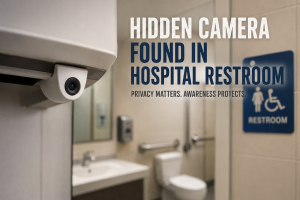
Domestic Spying in Divorce: The Hidden Threat of Surveillance, Wiretaps, and Spy Devices
Divorce is no longer just a legal battle—it’s increasingly a privacy and surveillance war. At USA BugSweeps, we are seeing a sharp rise in cases where individuals suspect their spouse or ex-spouse has installed hidden cameras, listening devices, or GPS trackers inside homes, vehicles, and offices.
This isn’t paranoia. It’s a real and growing threat.
With covert surveillance devices now cheap, easy to buy, and simple to install, domestic spying has become one of the most dangerous—and often overlooked—risks during divorce proceedings.
Why Domestic Spying Is Increasing in Divorce Cases
The rise in domestic surveillance during divorce is driven by three factors:
1. Cheap, Accessible Spy Technology
Hidden cameras and listening devices are now widely available and inexpensive. Many are disguised as everyday objects—smoke detectors, USB chargers, air purifiers.
Research shows spy cameras are “sold in bulk at cheap prices and are ubiquitously deployed in hidden places within homes” (source Cornell University)
2. Emotional and Financial Motivation
Divorce creates high-stakes conflict:
- Child custody battles
- Asset division
- Infidelity suspicions
- Fear of losing control
These pressures drive individuals to cross legal and ethical boundaries.
3. Growth of Cyberstalking and Surveillance
The U.S. Department of Justice has identified stalking and cyberstalking as serious and growing concerns tied to domestic situations. (source DOJ Report)
Additionally, stalking behavior is often linked directly to divorce and custody disputes, especially where prior domestic conflict exists.
“Divorce has quietly become one of the most common entry points for domestic surveillance. What used to require sophisticated tradecraft is now as simple as ordering a device online. We’re seeing more cases where spouses turn to hidden cameras, GPS trackers, and listening devices to gain an advantage, but in many situations, that decision creates far greater legal and personal risk than whatever they’re trying to uncover. If you suspect surveillance, assume your privacy is already compromised and act accordingly, because by the time most people realize what’s happening, they’ve already been watched for longer than they think.”
Michael Auletta
The Types of Surveillance Used in Divorce Situations
Hidden Cameras
- Installed in bedrooms, bathrooms, and living areas
- Often disguised as household items
- Can stream live video remotely
- Most commonly found during residential bug sweeps.
Audio Listening Devices (Bugs)
- Placed in vehicles, offices, or shared spaces
- Used to capture private conversations
- Often battery-powered or hardwired
GPS Tracking Devices
- Hidden in vehicles
- Used to monitor movement and routines
- Common in custody disputes
Phone and Digital Surveillance
- Spyware installed on phones
- Access to emails, texts, cloud backups
- Social media monitoring
Smart Home Exploitation

- Security cameras
- Alexa/Google Home devices
- Smart thermostats and locks
These tools give the spying party near-total visibility into someone’s life.
The Legal Reality: Most Domestic Spying Is Illegal
Here’s the part people underestimate.
In most jurisdictions, recording someone without consent is illegal, especially inside a private residence.
Wiretapping, hidden cameras in private spaces, and unauthorized tracking can lead to:
- Criminal charges
- Evidence being thrown out in court
- Loss of custody rights
- Civil lawsuits
Even if the intent is to “gather evidence,” the method can backfire hard.
The Real Risks to Victims
Domestic spying during divorce isn’t just invasive, it’s dangerous.
1. Loss of Privacy
Victims often feel like they’re being watched 24/7. That includes:
- Private conversations
- Legal discussions
- Personal relationships
2. Legal Disadvantage
If your strategy is exposed:
- Your spouse gains leverage
- Negotiations are compromised
- Settlement outcomes can shift
3. Emotional and Psychological Impact
Surveillance creates:
- Anxiety
- Paranoia
- Loss of control
4. Escalation to Stalking or Harassment
Cyberstalking and physical surveillance often escalate over time. Some studies suggest stalking behaviors frequently intensify during relationship breakdowns
Real-World Scenarios USA Bugsweeps Sees Every Day
At USA BugSweeps, the patterns are consistent:
- A spouse suspects infidelity and installs hidden cameras
- A divorcing partner tracks the other’s movements via GPS
- A shared home becomes a surveillance environment
- A business owner suspects a spouse is recording confidential meetings
In many cases, the victim has no idea until signs start appearing:
- Unusual device behavior
- Unknown Wi-Fi connections
- Strange noises or interference
- Knowledge the other party shouldn’t have
Why DIY Bug Sweep Detection Fails
Most people try to detect bugs themselves. That rarely works.
Here’s why:
- Devices are designed to be hidden
- Many don’t emit constant signals
- Some only activate remotely
- Others are hardwired into electrical systems
Even advanced smartphone apps and RF detectors miss sophisticated threats.
Professional TSCM (Technical Surveillance Countermeasures) is the only reliable solution.
The Hidden Danger: Compromised Spy Devices
Here’s something most people don’t realize:
Spy devices themselves are often insecure.
Research shows hidden cameras can be remotely hacked and controlled by third parties due to weak security design.
That means:
- Your spouse isn’t the only one watching
- Hackers could access the same feed
- Your privacy risk multiplies
This turns domestic spying into a broader cybersecurity threat.
Signs You May Be Under Surveillance
Watch for patterns, not just devices:
- Your spouse knows details you never shared
- Legal strategy leaks
- You hear interference on calls
- Devices lose battery unusually fast
- You notice unfamiliar hardware
Individually, these may seem minor. Together, they signal risk.
What to Do If You Suspect Surveillance
Step 1: Do Not Confront Immediately
If you confront without proof, the devices may be removed or hidden deeper.
Step 2: Limit Sensitive Conversations
Avoid discussing:
- Legal strategy
- Financial decisions
- Personal matters
Step 3: Contact a Professional TSCM Specialist
A proper bug sweep includes:
- RF spectrum analysis
- Thermal imaging
- Physical inspection
- Network analysis
Step 4: Preserve Evidence
If devices are found:
- Do not tamper
- Document everything
- Work with legal counsel
Why Professional Bug Sweeps Are Critical in Divorce
Divorce is one of the highest-risk environments for covert surveillance.
Professional services exist for a reason:
- Detect hidden cameras and audio devices
- Identify GPS trackers
- Analyze network vulnerabilities
- Provide legal-grade documentation
Companies like USA BugSweeps specialize in finding hidden cameras, audio bugs, and GPS trackers nationwide
Domestic Spying Divorce FAQs
1. How common is spying during divorce?
It’s increasing rapidly due to cheap, accessible surveillance tech and high-stakes legal conflicts.
2. What devices are most commonly found?
Hidden cameras, RF audio bugs, GPS trackers, and spyware on phones.
3. Can I legally record my spouse?
Often no, laws vary, but many forms of covert recording are illegal and can damage your case.
4. How do I know if I’m being watched?
Unexplained knowledge, unusual device behavior, and unfamiliar hardware are key indicators.
5. Do bug detector apps work?
No. Most consumer tools miss professional or dormant devices.
6. What does a professional bug sweep include?
RF analysis, physical inspection, thermal imaging, and network forensics.
7. Will evidence from illegal spying hold up in court?
Typically no—and it can result in criminal or civil penalties.
8. Why choose USA BugSweeps?
Nationwide coverage, expert-led investigations, and advanced TSCM protocols designed for legal-grade detection